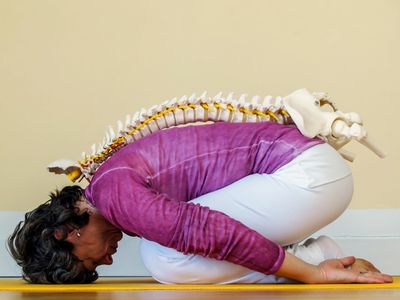
The Science Behind Yoga & Anatomy
Yoga works on multiple layers of the human system — muscular, nervous, respiratory, and fascial — which is why its effects extend far beyond flexibility.
From a neuroscience and physiology perspective, yoga supports:
- Nervous system regulation – slow, mindful movement and breath stimulate the parasympathetic (“rest & restore”) response, helping reduce stress and improve emotional regulation.
- Interoception & body awareness – posture, breath, and stillness strengthen the brain’s ability to sense internal signals, improving self-awareness and resilience.
- Breath–movement coordination – linking breath to movement enhances oxygen efficiency, supports CO₂ tolerance, and promotes calm, focused attention.
From an anatomical perspective, yoga:
- Gently strengthens and lengthens muscles while supporting joint stability and mobility
- Works with the fascial system, improving elasticity, hydration, and postural balance
- Encourages functional movement patterns that support everyday life, not just the mat
Rather than forcing the body into shapes, yoga invites intelligent, mindful movement — respecting individual anatomy, nervous system capacity, and lived experience.
This science-informed approach helps yoga become not just a physical practice, but a tool for long-term well-being, recovery, and self-connection.